
8 Key Elements of a Strong Landscape Design Plan
Uncover the eight essential elements that separate amateur landscaping from professional designs. Create beautiful, functional outdoor spaces that last.
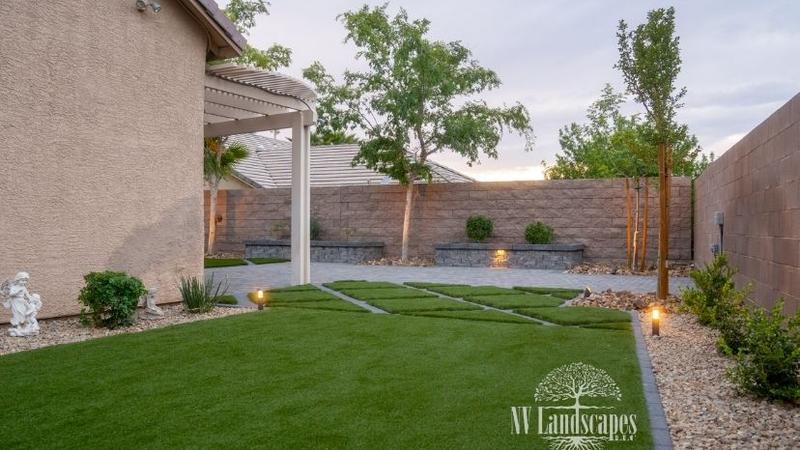
Creating a beautiful outdoor space that enhances your property value and provides years of enjoyment requires thoughtful planning and strategic design. Many homeowners dive into landscaping projects without considering the foundational elements that separate amateur attempts from professionally crafted gardens. Understanding the eight key elements of a strong landscape design plan will help you avoid costly mistakes while creating an outdoor environment that truly reflects your vision and meets your family’s needs.
Every successful landscape design begins with a thorough understanding of the site’s natural foundation. From soil composition to sunlight patterns and drainage considerations, these factors form the backbone of any well-planned outdoor space.
Soil quality determines which plants will thrive and which will struggle in your garden, making soil analysis your first priority. Professional soil testing reveals pH levels, nutrient content, and drainage characteristics that influence every planting decision you’ll make.
Additionally, poor drainage creates waterlogged conditions that kill plants and damage hardscape features. Walk your property during heavy rain to identify areas where water collects in low spots. These observations help you plan for proper grading and drainage solutions before installing plants or structures.
Your property’s existing slopes, elevation changes, and exposure patterns create unique microclimates that smart designers leverage rather than fight. South-facing slopes receive more intense sunlight and dry out more quickly, while north-facing areas remain cooler and moist throughout the day.
Moreover, existing mature trees create additional microclimates through shade and root competition. These established features often become anchor points around which the rest of your design develops, providing structure and maturity that new plantings take years to achieve.
Transforming an outdoor area into a functional living space requires thoughtful planning and a clear understanding of its intended purpose. Whether it’s for entertaining, relaxation, or family activities, a well-designed outdoor space seamlessly blends aesthetics with practicality, creating an environment that enhances both usability and enjoyment.
Successful landscapes accommodate how people actually use outdoor spaces. Consider where children play, where adults gather for conversation, and how foot traffic naturally moves through your yard. These usage patterns should guide your design decisions rather than force people to adapt to impractical layouts. Primary pathways need sufficient width for comfortable passage, typically four to five feet for main routes and three feet for secondary paths.
Privacy needs vary based on lot size, neighboring properties, and personal preferences. Strategic screening creates intimate spaces without making your yard feel cramped or closed off from desirable views. Implementing living screens using evergreen plants provides year-round privacy while contributing to your landscape’s overall plant palette.
Choosing the right plants is essential to ensuring the long-term success and sustainability of your outdoor space. By selecting species that are well-suited to your local climate, soil conditions, and maintenance preferences, you can create a thriving, low-maintenance barrier that enhances both privacy and aesthetic appeal.
Smart plant selection considers mature size, growth rate, and maintenance requirements alongside immediate aesthetic appeal. Plants that struggle in their environment never develop their full potential and require constant intervention to survive. Native plants offer particular advantages for sustainable landscapes. They’ve evolved to thrive in local conditions, typically requiring less water, fertilizer, and pest control than exotic alternatives.
Hardscape elements serve as the backbone of any landscape design, providing structure, functionality, and aesthetic appeal. The thoughtful incorporation of these features ensures they seamlessly complement the natural environment, while enhancing usability and visual interest.
Professional landscapes typically feature a combination of canopy trees, understory trees, shrubs, perennials, and groundcover plants, all working together in layered compositions. This vertical diversity creates visual richness while maximizing the ecological value of your planted space. These plants often provide the most dramatic seasonal displays while connecting the canopy to ground-level plantings.
Hardscape materials should harmonize with your home’s architectural style and existing site features, rather than altering them. Modern homes often benefit from geometric patterns and refined materials, while casual styles complement natural stone and organic shapes. Aside from selecting the correct materials, also consider the long-term appearance when making your initial material selection.
Oversized features can overwhelm small properties, while undersized elements get lost in expansive settings. Professional designers utilize mathematical relationships to ensure appropriate scaling, but developing an eye for proportion helps homeowners make more informed decisions when designing their backyard.
For example, adding a dining area for eight people requires different dimensions than a quiet reading nook. Consider furniture placement during the design phase to ensure you have enough space.
When designing a landscape, account for how plants and features will grow and change over time. What looks harmonious today could become overgrown or mismatched in the future if seasonal growth patterns and long-term development aren’t carefully considered. Thoughtful planning ensures a space that remains balanced and functional throughout the year.
The most common landscape design mistake involves planting for immediate impact without considering future growth. Plants placed too closely create overcrowded conditions that compromise health and appearance as they mature.
Research mature dimensions for every plant you select, then plan spacing based on these final sizes rather than current nursery stock proportions. This approach may initially leave gaps, but temporary fillers can provide color and interest while permanent plants establish themselves.
Proper maintenance practices are crucial for maintaining the long-term health and beauty of your landscape. By setting clear expectations for upkeep, you can create a thriving outdoor space that complements your home while remaining manageable and sustainable.
Elaborate gardens requiring daily attention may provide tremendous satisfaction for dedicated gardeners but become sources of stress for busy homeowners. Grouping plants with similar care requirements simplifies maintenance routines while improving plant health. For example, keeping drought-tolerant specimens separate from moisture-loving plants helps avoid overwatering or underwatering issues.
Feeling inspired but need a professional touch to bring your vision to life? At NV Landscapes, we specialize in creating beautiful, fully customizable hardscape design services that reflect your personal style and meet your family’s needs. Let our expert team help you design and build the outdoor space you’ve always dreamed of. Contact us today for a consultation!
Understanding these essential design principles empowers you to create outdoor spaces that truly enhance your daily life and property value. The 8 key elements of a strong landscape design plan work together synergistically, with each component supporting and reinforcing the others to create cohesive, beautiful, and functional outdoor environments.
Remember that successful landscape design is both an art and a science. While these principles provide important guidance, trust your instincts about what feels right for your specific situation. Your landscape should reflect your personal style and meet your family’s unique needs, while respecting the natural characteristics of your outdoor space.
Ready to Transform Your Outdoor Space?
Schedule a free consultation with Las Vegas's premier landscape experts.