
Do’s and Don’ts of Backyard Space Planning
Your backyard can feel awkward even with great features. See which planning mistakes quietly steal space and which choices make the layout finally click.
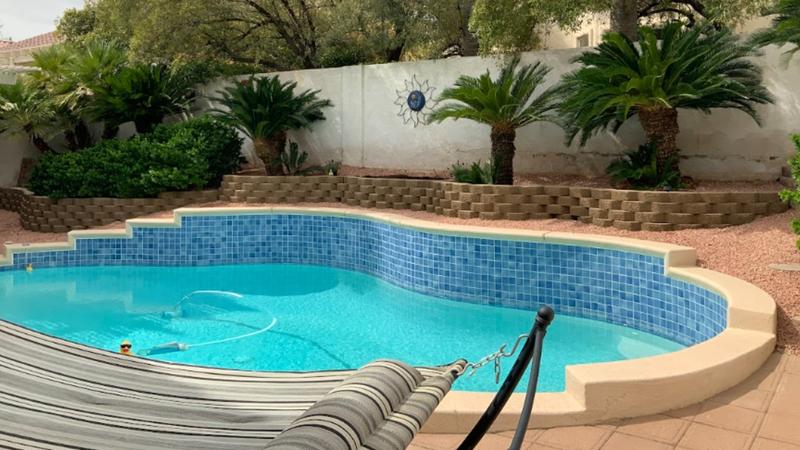
A backyard can have all the right features and still feel awkward if the layout does not make sense. You notice it when a dining area feels cramped or when everyone cuts across the same patch of grass to get where they are going. Good planning fixes those issues before they become expensive to change.
A backyard works best when each area has a clear purpose and enough room to function without getting in the way of the next one. When the layout feels right, the design starts doing more of the work for you. Here are the do’s and don’ts of backyard space planning.
Do Start With How You Actually Use the Yard
Before you think about pavers or plants, picture a normal week at home. If you spend most evenings grilling, the cooking area deserves a convenient spot near the house. If you use your yard mostly for relaxing, give comfortable seating room instead of squeezing in features you rarely use. Let your routine shape the plan from the beginning.
This approach also keeps you from designing for a version of your life that only happens a few times a year. A giant entertaining area does not make much sense if you usually host a small group. Think about what earns its space in your backyard week after week.
Pay Attention to the Habits You Already Have
Watch how people naturally move through the yard before you redraw anything. One corner may sit empty while another always becomes the gathering spot. Those patterns tell you plenty about what already works. Use that information instead of forcing a completely different flow.
Don’t Try to Fit Everything Into One Yard
It is easy to get excited and start adding every feature you have ever saved online. Before long, the backyard can feel crowded rather than upgraded. A fire feature loses some of its appeal when the dining area sits right on top of it. People will also avoid a lounge area if it doubles as the main route across the yard.
Three comfortable spaces will serve you better than six cramped ones! Open space has value too. It gives the design room to breathe and keeps the backyard from looking overworked.
Do Give Each Zone Enough Space
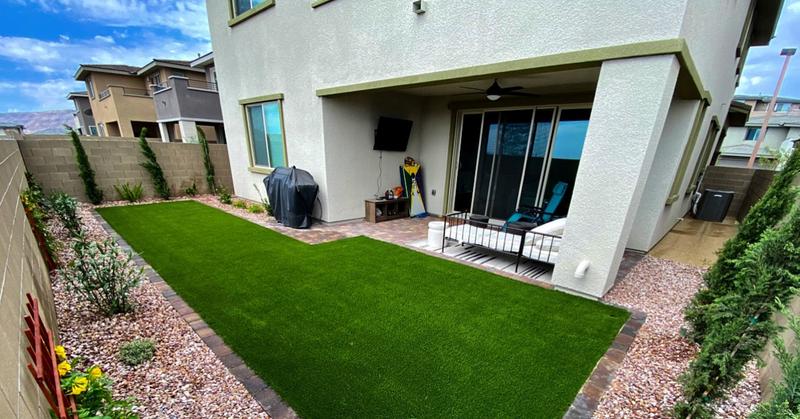
Once you know what belongs in the yard, think about how much room each area needs in real life. Furniture often takes up more space than it seems to on a drawing. A seating area also needs enough room for people to move comfortably. This is where measurements become more than numbers on a plan. They protect the way the space will feel once you start using it.
Test the Space Before You Commit
Use stakes or temporary markers to outline the major areas, then walk through the yard the way you normally would. Sit where the future seating area will go and see how the space feels from there. This simple test can reveal awkward proportions before construction locks them in.
Don’t Ignore How People Move Through the Yard
Traffic flow can make or break a backyard design. You should not have to cut through the dining area every time you head toward the lawn. The route to a side gate should not force you to squeeze between furniture either. When movement feels effortless, the entire backyard becomes more comfortable.
Before you approve the layout, walk through a few basic questions:
- Can people reach the main seating area without cutting through another zone?
- Does the path from the house feel obvious?
- Can guests move around furniture without feeling cramped?
- Does the side yard stay easy to access?
- Will everyday traffic wear down planting areas?
Do Plan Around Sun and Shade
A beautiful seating area will not get much use if the afternoon sun makes it uncomfortable. Watch how sunlight moves across the property before you decide where people will spend their time. A spot that feels pleasant over breakfast can become one of the hottest parts of the yard later. This should influence the layout.
Shade can solve a lot, but only when you put it where you actually need it. Position a shade structure around the hours you expect to use the space most. Trees can also support the plan as they mature.
See the Yard at Different Times of Day
Spend a few minutes outside in the morning, then check the same areas later in the afternoon. You will quickly notice where the heat becomes uncomfortable. That information can keep you from putting your dining area in the wrong place.
Do Make Hardscape and Landscaping Work Together
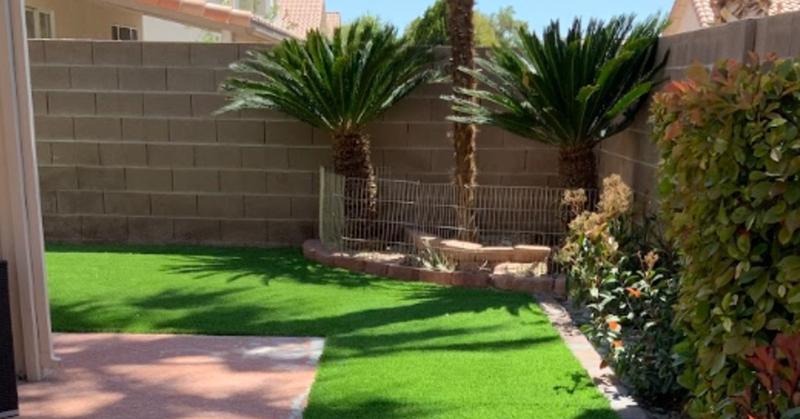
Hardscape gives the backyard structure, but the space can feel harsh if you do not soften it. Landscaping creates that balance. Give plants enough room near patios to frame the space without swallowing it. The goal is to make the built and planted areas feel like parts of the same design.
Pay close attention to transitions. A walkway should lead naturally into the patio instead of stopping in an awkward spot. When these details line up, the yard feels connected instead of looking like several projects happened at different times.
Leave Room for Plants To Grow
New plants can look small when they first go in, so it is tempting to pack them together. Resist that urge! Mature plants need enough room to fill out without taking over nearby walkways. Proper spacing also saves you from constant trimming later.
Don’t Forget to Check the View From the House
You will spend plenty of time looking at your backyard from inside, especially through doors or kitchen windows. That view should influence the layout just as much as the experience of standing outside. A large feature can block an otherwise open sightline if you place it without considering the house. The same feature may look far more natural a few feet away.
Step inside before you finalize the plan. Look toward the areas you use most outdoors and notice what catches your eye first. This perspective can help you position focal points more thoughtfully. It also keeps the backyard connected to the home instead of feeling like a separate world.
Build a Backyard That Feels Easy To Use
Intentional backyard space planning works best when it supports your everyday life, not when it chases every possible upgrade. Your yard should still feel comfortable on a quiet afternoon when nobody else is around. When friends come over, the layout should handle the extra activity without suddenly feeling cramped. Thoughtful spacing creates that balance.
Looking for a backyard remodel in Las Vegas? NV Landscapes can help you turn a rough idea into a backyard that feels easy to move through and even better to use. We look at how the space actually works before we start shaping the layout, so every feature feels like it belongs where it is. When you are ready to make better use of your yard, our team at NV Landscapes can help you build a space that feels comfortable from day one!
Ready to Transform Your Outdoor Space?
Schedule a free consultation with Las Vegas's premier landscape experts.