
Do’s and Don’ts of Outdoor Kitchen Placement
Your outdoor kitchen can look perfect and still feel awkward. See which placement choices can make the space easier to cook in before you start building.
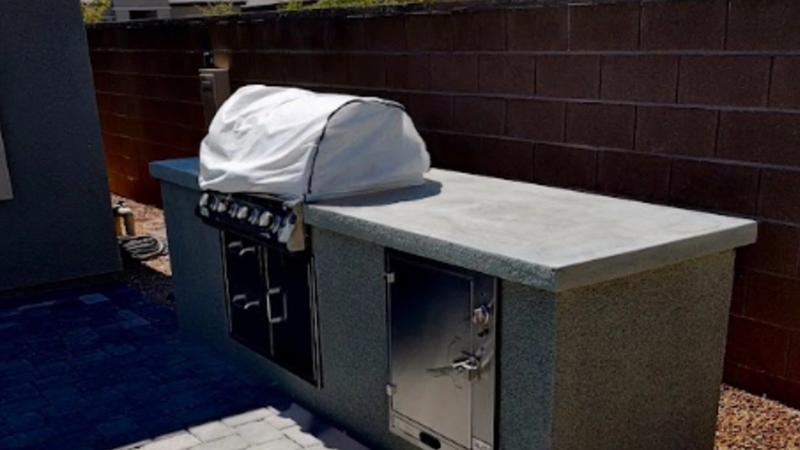
An outdoor kitchen can quickly become one of your favorite parts of the backyard. Still, where you put it is as important as what you build into it. A beautiful setup loses appeal when you have to cross the entire yard for a plate or squeeze past guests to reach the grill.
When the placement feels right, the kitchen settles naturally into the rest of the backyard. Here are some do’s and don’ts for outdoor kitchen placement!
Don’t Put the Kitchen in the Main Traffic Path
First, think about how everyone uses the yard. The cook needs room to work without people constantly passing behind them. If the grill sits along the main route to the pool or lawn, that traffic will interrupt the cooking area every time someone walks through.
Instead, place the kitchen slightly outside the busiest path. You can still keep it close enough for the cook to feel connected to everyone. The difference is that guests can move around the yard without stepping into a hot work zone. That separation makes the whole patio feel calmer when you have people over.
Watch Your Backyard on a Normal Day
You can learn a lot by watching where your family already walks! Notice which door everyone uses and where they go once they're outside. Designing around real movement usually works better than trying to redirect everyone after construction.
Do Pay Attention to the Wind
Wind can turn a perfectly placed grill into an annoying problem if you ignore it. Smoke that constantly blows toward the dining table will send guests looking for another place to sit. It can also drift toward open doors and windows if the cooking area faces the wrong direction.
Spend some time outside before you settle on a location. Pay attention to where the breeze typically carries smoke or heat. Once you understand that pattern, you can position the cooking area so air moves away from the places where people spend the most time.
You should also leave enough openness around the grill for heat to escape comfortably. If you plan to add a patio cover, work ventilation into the design from the beginning. That gives the kitchen protection from the sun without trapping heat where you cook.
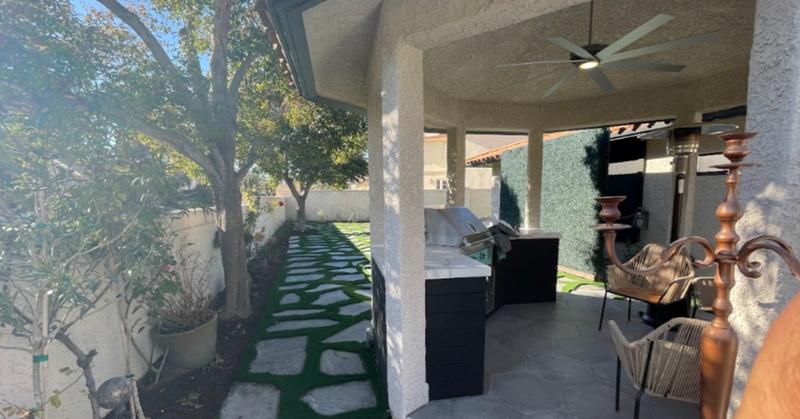
Don’t Crowd the Seating Area
People naturally gather around whoever is cooking. That is part of what makes an outdoor kitchen fun! Still, guests need a place to hang out without standing directly in the cook's workspace.
Before you approve the layout, walk through a few questions:
- Can you reach the grill without stepping around chairs?
- Can guests get to their seats without entering the cooking area?
- Does the route back to the house stay open?
- Will smoke move away from the gathering space?
- Can someone open an appliance without blocking the walkway?
Those details sound small until you start using the kitchen. Once you do, they have a big impact on how relaxed the space feels.
Do Plan Around the Hottest Part of the Day
If you have ever stood over a grill in direct summer sun, you already know why shade is super important. The cooking equipment creates enough heat on its own. Add strong afternoon sunlight, and you can end up avoiding the outdoor kitchen during the exact hours when you planned to use it.
Check the proposed location around dinner time. Do not rely on how comfortable the spot feels early in the morning. Sun exposure changes throughout the day, and the difference can completely change how you feel about the location.
If the space needs more protection, plan shade before you finalize the kitchen footprint. A patio cover or pergola takes up space, so it needs to fit the overall layout.
Think About the Cook, Not Just the Guests
It is easy to focus on shaded seating because that is where everyone relaxes. The person working at the grill needs comfort, too! Give the cooking zone enough shade so making dinner doesn't feel like standing in the hottest part of the yard. You will use the kitchen more often when cooking there actually feels pleasant.
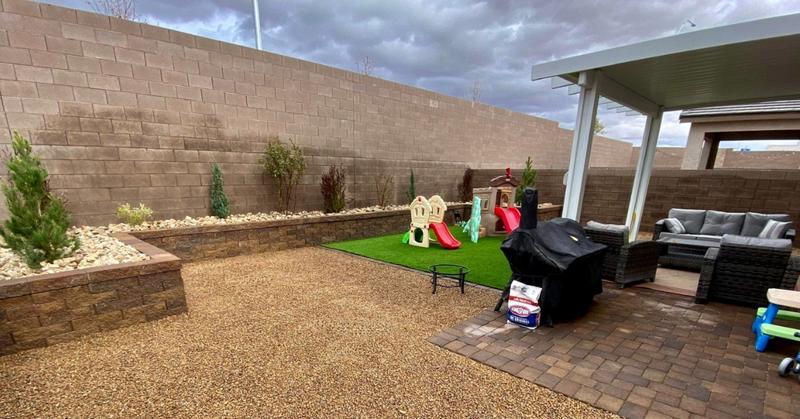
Don’t Wait Until Construction to Think About Utilities
Once you have a few good placement options, find out what each one requires behind the scenes. Your appliance setup may need gas or electrical service. A sink also changes the plan because the kitchen will need water access.
The farther you move those connections, the more involved the installation can become. That does not mean you should automatically put the kitchen as close to the house as possible. It simply means utility access should become part of the decision before anyone starts digging.
This early planning also helps you compare locations more realistically. One spot may look perfect until you see what it takes to support the features you want.
Do Protect Enough Room for the Rest of the Backyard
Outdoor kitchens tend to grow during the planning stage. You start with a grill, then realize you want more counter space. Before long, the footprint can take up a large section of the patio.
Step back before that happens! Your backyard still needs room to feel open once the kitchen goes in. If the kitchen forces the dining table into a walkway or leaves the lounge area feeling cramped, the layout needs another look.
Often, a smaller setup in the right location works better than a huge kitchen that dominates the patio. Give yourself the space you need to cook comfortably, then let the rest of the yard keep doing its job.
Give Yourself Room To Change Things Later
Furniture will change over time, and how you use the yard can, too. Avoid placing the kitchen where it locks the rest of the patio into one arrangement. A little extra open space gives you more freedom later without changing the permanent construction.
Build an Outdoor Kitchen That Feels Natural
Choosing where to put an outdoor kitchen takes more thought than finding an empty section of patio. Picture yourself using the space on an ordinary evening, not just during a big backyard party. Once you do that, the smartest placement decisions become much easier to see.
These do’s and don’ts of outdoor kitchen placement help you avoid the little frustrations that can follow an expensive build. You end up with a kitchen that feels connected to your home and comfortable to use. More importantly, it becomes part of the backyard instead of taking over the space!
Looking for a professional outdoor kitchen contractor in Las Vegas to bring your vision to life? NV Landscapes can help you turn that idea into a setup that feels right for your yard from the start. When you are ready to create a space that feels natural and easy to enjoy, our team would be happy to help you bring it together.
Ready to Transform Your Outdoor Space?
Schedule a free consultation with Las Vegas's premier landscape experts.