
How To Create a Cohesive Paver Driveway Design
Your driveway sets the tone before guests reach the door! Explore what makes a paver design feel connected to your home instead of looking like an add-on.
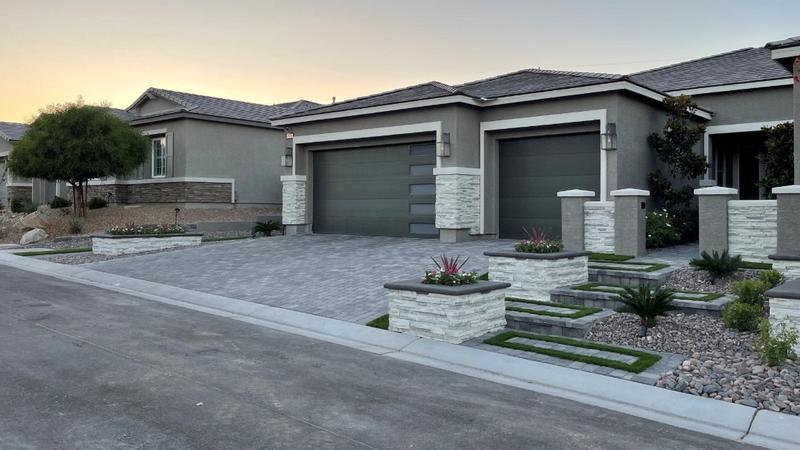
A paver driveway can do a lot more than give you a place to park. Done well, it can make the entire front of your home feel more finished before anyone even reaches the door. The challenge comes from making the driveway feel connected to the house instead of looking like a separate project dropped into the yard.
Your home already has a visual style, and the driveway should match it! Here’s how to create a cohesive paver driveway design.
Start With the Style of the House
Let the house lead the driveway design. A modern home usually looks better with clean lines and a restrained layout. Meanwhile, a more traditional exterior can handle warmer tones or a pattern with a little more movement. The point is not to copy the architecture exactly, but to make sure the driveway feels like it belongs there.
Stand at the curb and look at the front of the property before choosing anything. Pay attention to the roofline and the home's overall shape. That view gives you a much better starting point!
Let the Architecture Set the Mood
If the home already has a strong design language, follow it. A simple façade does not need an overly busy driveway competing for attention. On the other hand, a home with more texture can support a slightly richer paver layout. The goal is balance, not perfect matching.
Choose a Paver Color That Connects to the Exterior
Color has a huge impact on whether the driveway looks connected to the house. You do not need an exact match. In fact, matching too closely can make the whole front yard feel flat. Look for a paver tone that picks up something already present on the exterior.
That could mean pulling from the stucco or finding a tone that works with the stonework. You can also use the roof as a reference point if it carries a strong color. When the driveway echoes the home without copying it, the transition feels much smoother.
Avoid Too Many Competing Tones
It is easy to get carried away when a paver collection offers several color blends. More variation does not always create more character. Too many tones can make the driveway look busy before landscaping even enters the picture. Keep the palette focused so the rest of the front yard has room to breathe.
Pick a Pattern That Fits the Scale of the Driveway
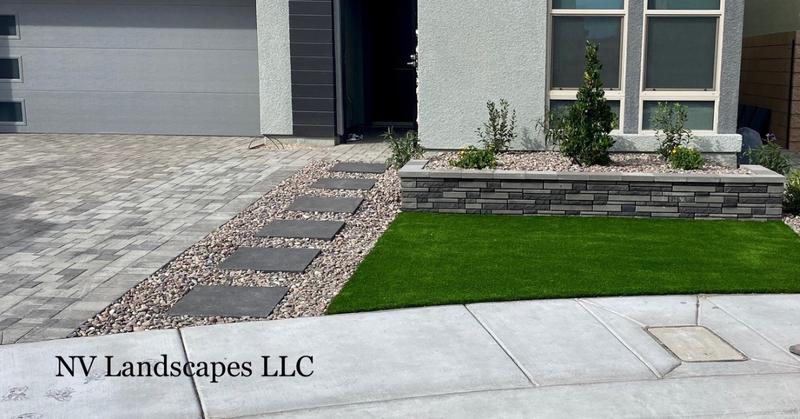
The pattern should also support the size of the space. A large driveway can handle a pattern with more movement because it has enough room to repeat naturally. A smaller driveway usually looks better with a simpler layout that keeps the surface from feeling cramped.
You also want the pattern to make sense from the street. Tiny details can disappear when you step back twenty or thirty feet. Larger repeating shapes usually read more clearly from a distance, which helps the driveway feel polished instead of visually noisy.
Use Borders With a Clear Purpose
Borders can help define the driveway, but they work best when they actually add structure. A contrasting edge can frame the surface and give the driveway a cleaner finish. It can also help connect the pavers to nearby walkways if those areas use the same border material. That repetition helps the whole front yard feel tied together.
Do not add a border just because it feels like the “finished” thing to do! If the main field already has plenty of contrast, another color may make the design feel crowded. Sometimes the cleanest choice is a subtle edge that keeps the focus on the larger layout.
Keep the Border Consistent
If you use the same border treatment in several places, keep it consistent. A driveway border that suddenly changes at the walkway can make the transition feel accidental. Consistency is what makes the design feel deliberate.
Connect the Driveway to Nearby Walkways
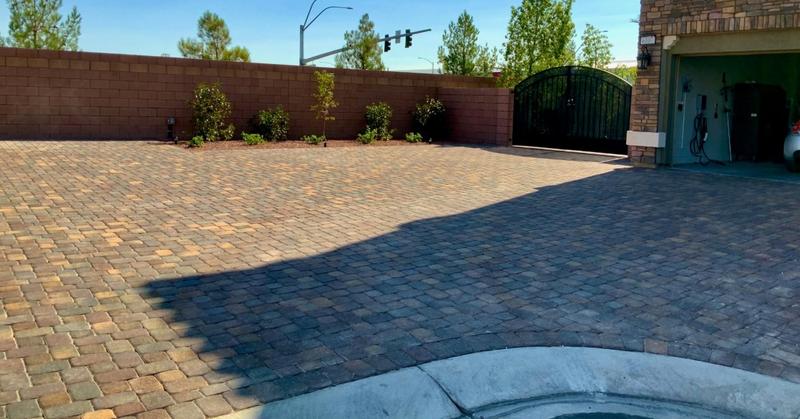
The driveway should not stop visually at the garage and leave the rest of the front yard to fend for itself. Look at how people move from the driveway toward the entry. That path gives you a natural opportunity to repeat the same material or carry over one design element. Even a small connection can make the front yard feel more cohesive.
Here are a few ways to make that connection feel intentional:
- Repeat the driveway border along the walkway.
- Carry the same paver family into the entry path.
- Use a related tone where the walkway meets the front door.
- Keep joint spacing visually consistent between connected areas.
- Align major paver lines with nearby architectural features.
Let the Landscaping Frame the Driveway
Landscaping plays a big role in how the driveway reads from the street. Without enough softness around the edges, a large paver surface can dominate the yard. Planting gives the hardscape some breathing room and helps the driveway feel integrated instead of oversized.
You do not need to crowd the edges with plants! In fact, keeping some open space often looks better. A few well-placed shrubs or grasses can soften the transition without hiding the pavers.
Watch the Edge Conditions
Pay attention to what happens where the pavers meet rock or planting areas. A rough transition can make a good driveway look unfinished. Clean edging helps keep materials where they belong and gives the design a sharper outline.
Think About How the Driveway Looks From the Street
A cohesive driveway should work from several viewpoints, but the street view matters most. That is where visitors see the entire composition at once. From there, you can tell whether the pavers fit the home or pull too much attention away from it. Step back often during the planning phase.
You should also consider how the driveway looks next to the neighboring properties. Your design does not need to match theirs, but it should still feel appropriate for the setting. A driveway that suits the home will usually age better visually than one built around a short-lived trend.
Bring the Whole Design Together
The strongest paver driveways do not rely on one flashy feature. They work because every decision feels connected to the home. When you create a cohesive paver driveway design, you give the front yard a clear visual direction without making it feel overworked. That approach creates a result that feels polished now and still makes sense years from now.
Take your time during the planning stage! Look at the property as a whole instead of choosing pavers in isolation. Once the driveway responds to the architecture and surrounding landscape, the design feels much more natural.
Looking for driveway pavers in Las Vegas that can bring your vision to life? NV Landscapes is here! Our team pays attention to the details that make the design feel intentional from the curb, including how the pavers match your property's style. If you want a driveway that looks polished and feels like it truly belongs, we can help you bring the whole design together. Give us a call today!
Ready to Transform Your Outdoor Space?
Schedule a free consultation with Las Vegas's premier landscape experts.