
Why Plant Spacing Matters in Desert Landscapes
Your desert landscape can look great now and still get crowded later. See the spacing issue that can sneak up on you before it turns into extra work!
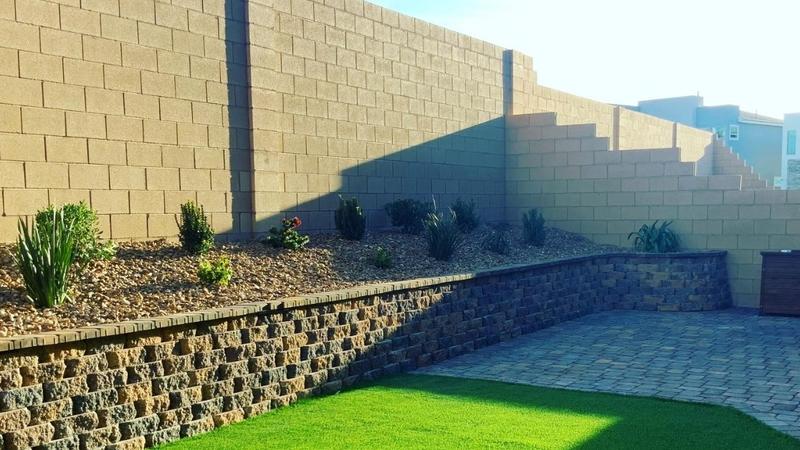
A new desert landscape can look a little bare on installation day, and that can make it tempting to squeeze in a few more plants. Give it time, though. Those smaller plants will grow into the open space around them, and that breathing room plays a big role in how the yard looks a few years from now.
As you plan your yard, you will quickly see why plant spacing matters in desert landscapes once plants settle in and reach their mature size.
Plan Around the Plant’s Mature Size
The plant you bring home rarely stays that size. A young shrub can look perfectly comfortable in a small opening, then slowly take over the walkway as it grows. That is why you want to plan around mature size instead of judging spacing by what you see during installation. This can make the initial layout feel more open than you expected. Over time, though, those gaps begin to make sense.
Do Not Plant for Instant Fullness
It is easy to want a finished look right away. Packing plants together can give you that temporary fullness, but it usually creates more work later. Once plants start competing for room, you end up trimming them constantly just to maintain the original layout. Giving them space now lets the garden fill in at a healthier pace.
Give Roots Enough Room To Develop
Spacing affects more than what happens above the soil. Roots need room, too! When plants sit too close together, their root zones can overlap heavily as they establish. Each plant should have enough space to build a healthy root system without immediately competing with the plant next door. Good spacing supports stronger growth from the ground up.
This also helps when you need to replace or adjust a plant later. You can work around one area without disturbing everything nearby.
Help Irrigation Reach the Right Plant
When plants sit too close together, irrigation can become harder to manage. One plant may receive too much water while another struggles to get enough. Once those plants mature, dense growth can also make emitters harder to reach.
Give Each Plant Its Own Watering Zone
Think about where the roots will spread as the plant grows. Your irrigation setup should support that development instead of watering only the tiny root ball you started with. As the plant matures, you can adjust the watering pattern to support the larger root zone. Good spacing gives you room to make those changes without working through a tangled planting bed.
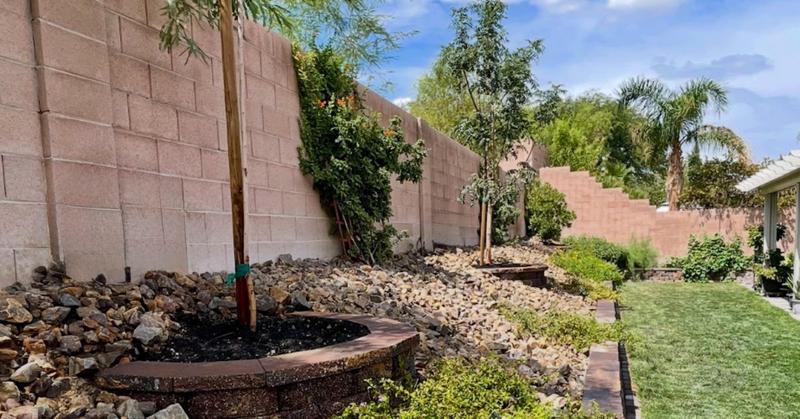
Keep Plants Away From Walkways
A shrub brushing against your leg every time you use the walkway gets old quickly. The problem usually starts years earlier when someone plants it too close to the edge. It looks harmless when it's small, so people overlook the future width.
Instead, leave enough room between the plant and the hardscape for future growth. You want the walkway to stay open without relying on constant trimming. This also protects the plant’s natural shape because you are not cutting one side flat every few months.
Protect Your Hardscape From Overgrowth
Your patio or paver walkway probably represents a major part of the outdoor design. Plant spacing helps keep those features visible instead of letting greenery slowly cover their edges. It also makes cleanup easier because plants are not constantly dropping material directly onto the surfaces.
Before finalizing the layout, ask yourself a few simple questions:
- How wide will this plant become at maturity?
- Will it eventually reach the nearby walkway?
- Can I still access irrigation once it fills out?
- Does it leave enough room for neighboring plants?
- Will I need constant trimming to keep it contained?
Let the Landscape Breathe
Desert landscaping looks better when every inch does not feel stuffed. Open space gives individual plants more presence because you can actually see their form. It also lets decorative rock or other ground materials become part of the design instead of disappearing underneath dense planting.
That breathing room can make a smaller yard feel calmer, too! When plants overlap everywhere, the eye has nowhere to rest. A more deliberate layout creates clear focal points without making the space feel empty.
Use Open Space With Intention
Use space to frame a standout plant or create separation between larger planting areas. As plants mature, those open areas will naturally become smaller. Planning for that change keeps the garden balanced over time.
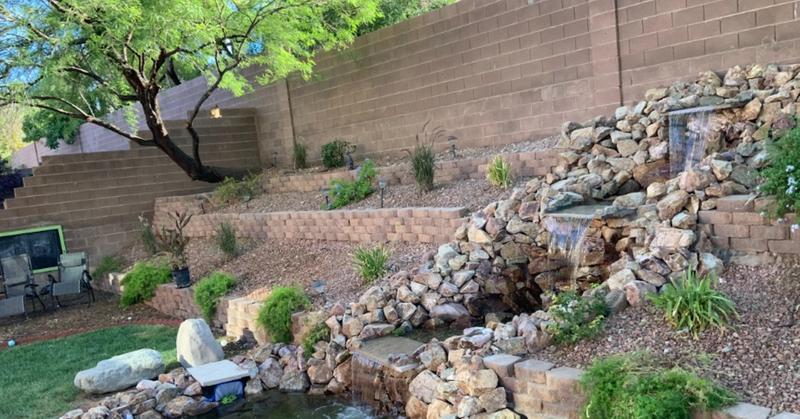
Avoid Creating a Maintenance Headache
Too many plants in too little space usually means more trimming. You may also spend more time clearing debris because dense growth traps leaves and dead material underneath. A landscape that looked lush at first can quickly start feeling like a chore.
Proper spacing lets plants grow closer to their natural shape. That means you spend less time forcing them back into a footprint that never suited them. You can still trim when needed, but maintenance becomes more manageable.
Plan Around Different Growth Habits
Not every desert plant grows the same way. Some stay fairly compact, while others spread much wider than their height suggests. Spacing needs to match the actual plant instead of using one fixed distance across the entire yard.
When you work with how each plant naturally grows instead of fighting it, the finished landscape looks much more relaxed. It also avoids the clipped, crowded look that happens when you force every plant into the same amount of space.
Think About What the Yard Will Look Like Later
A good desert landscape should not peak on installation day. You want it to improve as the plants settle in. That takes patience, especially during the first year when some areas still look more open.
Try to picture the yard three years from now instead of judging every gap today. Those open spaces give plants somewhere to grow. As they mature, the design will feel fuller without becoming crowded. Planning keeps the design working as the landscape changes.
Create a Desert Landscape That Grows Into Place
A little extra room between plants can feel strange when your landscape is brand new, but that space pays off as everything grows. Once you see why plant spacing matters in desert landscapes, those open areas make a lot more sense. Giving each plant room to settle in helps the yard mature without turning into a crowded maintenance headache. In the end, a thoughtful layout gives you a desert landscape that gets better with time instead of harder to manage.
Looking for a desert landscape that looks great now and still has room to grow? NV Landscapes helps homeowners create outdoor spaces that feel right for their property with our desert landscaping in Las Vegas. You won't have to worry about squeezing too many plants into one space just to make everything look full on day one! If you're ready for a desert garden that gets better with time, we'd love to help you bring your vision to life.
Ready to Transform Your Outdoor Space?
Schedule a free consultation with Las Vegas's premier landscape experts.